
October last year I embarked on my PhD’s fieldwork in rural Egypt. I had planned it all out; my gatekeepers were set, I was familiar with the location, and my methods guides were finalised. Needless to say, I found myself having to deal with the unfiltered reality of qualitative fieldwork. Here are my top reflections and recommendations.
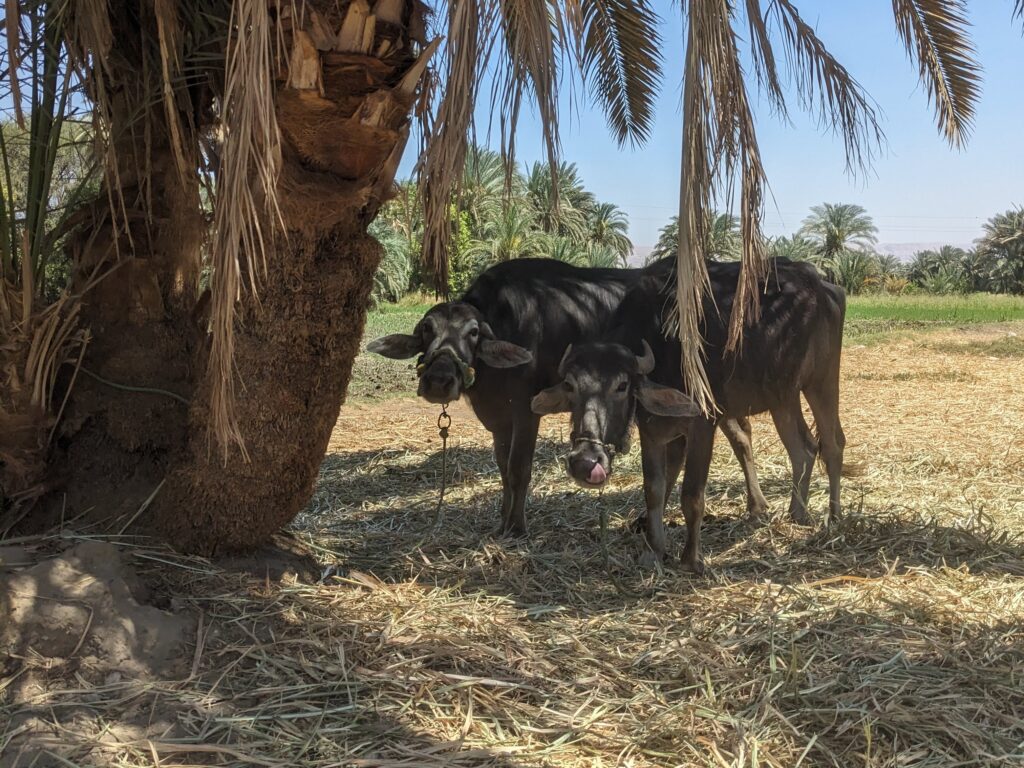
- Beginnings are always messy. It’s supposed to be this way. Without messiness and feeling lost, you won’t learn how to find patterns. Allow yourself to exist within the wait, cancelations, frustrations, feelings of inadequacy and embarrassment.
- Relationships develop over time. There is a significant amount of rich data that won’t be collected formally. It emerges within natural encounters, when your recording isn’t on or your notebook isn’t ready. People trust over time. Mundane conversations have value. Don’t settle for one-off encounters, if given the chance.
- Keep an analysis document open. You will have mental connections and eureka moments along the way. Certain facts will connect, questions will arise, and you may find a relationship between a conversation and a reading. Write that down instantly. This document is vital to compare with the formal analysis later on, like bringing your different selves in conversation with each other.
- Try to transcribe as you go. If given the chance to record, don’t let recordings pile up. As you listen, pay attention to points you may have missed, questions you should have asked, and information you need to verify. Memory can be deceiving, so this can offer invaluable prompts and space for validation that makes the subsequent research richer.
- Try and read as you go. When you have time, glance over pieces of relevant academia or even journalism. This way you develop more ideas to explore and may also gain more confidence as you find parallels or contradictions with themes/pieces of information you find in the field.
- Keep a prompt thread open. Even though I had predetermined interview guides that were reviewed by my supervisors, on ground conversations still took different turns. I used to WhatsApp myself with random points in the middle of fieldwork. This is how I allowed an iterative knowledge and discussion to build up.
- You can forget what your research is about. Being sucked into the details of fieldwork and experiences of the participants can sometimes make us lose sight of our research questions. Every now and then you need to touch base with your original proposal and draft literature review. It will allow you to focus or even change direction.
- Respecting participants means not always following your plan. It means that you may have delays because it’s harvest-season or a participant is going through a personal circumstance. It means not pressing for conversations or waiting for hours until the time is right to talk. This is part of our ethics training, but it’s also bigger than that. It’s about humanizing the participants and building a genuine relationship with them.
- Don’t be afraid of fieldwork lulls. You can end up with days of no data collection pacing back and forth in anxiety. I learned the hard way that these days are necessary. First, fieldwork can be exhausting and mentally draining, so you need days in between to recover. Second, these days off can work marvels in the way you interpret your data as you get a chance for stocktaking. Finally, it allows you to transcribe-as-you-go.
If you attend all the fieldwork preparation events and read all the articles, you’ll still be surprised. Just remember to stay with the process, be patient, and be kind to yourself.
Tags: fieldwork, international, participants, PGR contributed, qualitative research methods, relationships, uncertainty
Discover more from UoB PGR Development blog
Subscribe to get the latest posts sent to your email.