
Signing up for the PGR Writing Summer School this July I was uncertain what to expect, and as a busy midlife PhD student juggling many balls wondered if I had enough time to dedicate to this. I’m pleased I did. I was at the end of my second year of a Clinical Research Fellowship which combines studying full time for my PhD alongside delivering the targets of my employed role. My head was buzzing with the vast amount of data generated by a large interdisciplinary trial, some of which will form the foundation of my thesis, and the competing priorities of working within a large team. This was an opportunity to take some time out and focus purely on the task of structuring and compiling my thesis and evolving my personal academic identity.
The first day ‘writing for your thesis’ focused on thesis structure, with invited speakers covering the nuts and bolts of literature reviews and the use of referencing management tools, along with how the overall structure of a thesis might look. Prof Ian Apperly encouraged us to step into the eyes of our examiners to understand how our thesis will ultimately be examined, an inciteful exercise which homed in on the importance of a strong beginning and end. We were reminded that the time an examiner allocates to reading a thesis is limited. Drawing the reader in early and producing a compelling story of our work is therefore key for thesis production. Rachel Webster provided some no-nonsense tips for managing writing routines which was a timely reminder of the importance of incorporating strategies into our routines to organise our day.
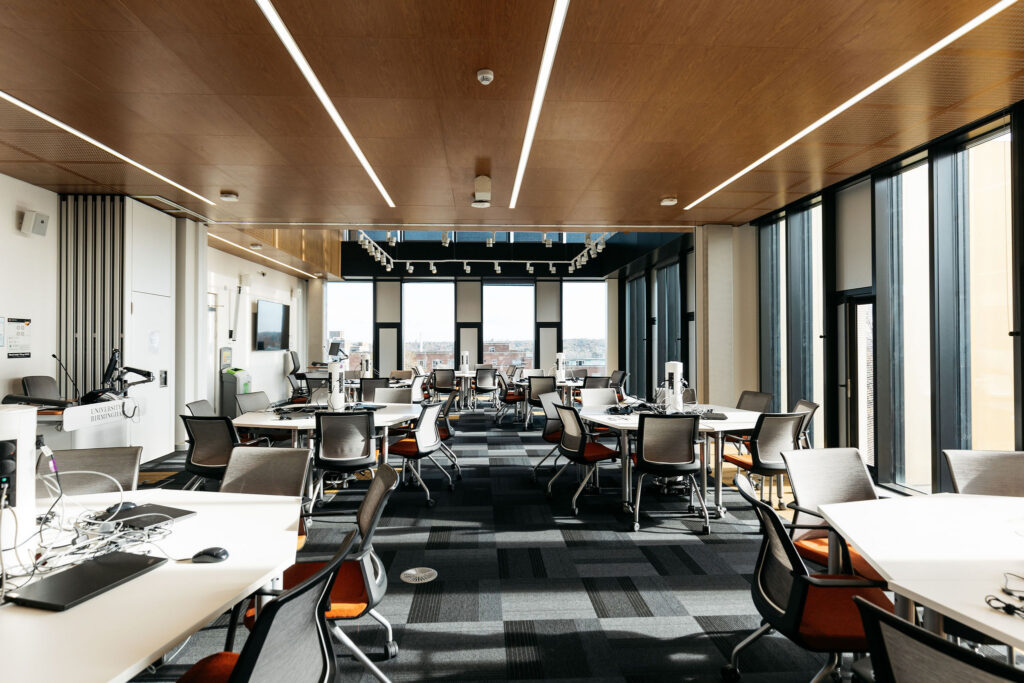
The second day was focused on ‘writing for publication’. To kick off the day, Dr Balachandran Kumarendran and Dr Lucy Mckeown delivered a rigorous overview of approaches to writing an academic publication as an ECR with lots of handy tips. At a point where I am prepping my own review for publication this was a timely and valuable session. We heard about writing for impact from Prof Helen Onyeaka, a truly inspiring speaker. Helen’s energy was infectious and I came away from this session energised and inspired about the possibilities of where my own work could lead. Dr Kelly Smith focused on writing abstracts for conference presentation, which was a nice introduction for newbies in the room. The day tied up with a lively panel discussion from some of the University’s leading academics across the arts and sciences, an engaging academic debate around the differing academic approaches to writing publications in both the arts and sciences. The camaraderie of this session highlighted why I love academia: the opportunity for free-flowing discussions amongst peers with differing views always maintaining a thoughtful respect for each other’s expertise. This is how academia evolves, networking with individuals outside of your sphere. This opportunity to share academic insights with colleagues from the wider university was a real strength of the whole Summer School.
The final day ‘shut up and work’, an opportunity to sit in silent companionship with peers and get some of those ideas in my head onto paper. I will definitely be attending more of these sessions throughout my final year, as my thesis evolves into something more tangible than the many tangled threads currently floating around my cortex.
Discover more from UoB PGR Development blog
Subscribe to get the latest posts sent to your email.