
When people hear “research”, they often picture laboratories and white coats, but research is really the reason everyday decisions and technologies work as well as they do. It can be as simple as checking the weather forecast before deciding what to wear (or whether to carry an umbrella), looking up a word you don’t understand, or comparing prices across different shops before buying something. In each case, we’re asking a question, finding information, and using it to decide what to do – which is basically what research is.
Recently, I was invited by the University of Birmingham School to share my research experience with Year 10 students, ahead of their research enrichment activity.
I volunteered because I wanted to show that research isn’t some distant, intimidating thing – it’s something real people do, and it’s open to anyone who’s curious enough to ask “why?”, “how?”, and “what if?”. Growing up, I didn’t really know what “research” meant – and honestly, I probably couldn’t even spell it at the time (I was terrible at spelling). That’s why I wanted to give the students the confidence and reassurance they needed to approach their research enrichment project.
Walking into the classroom was a mix of excitement and nerves. The students were curious, switched on and not shy about asking questions. Once we got going, it felt less like a talk and more like a real conversation about how research actually works. The highlight of the session was after the talk, when I could move around the classroom and give students individual advice on their projects. It was much more interactive than I expected, and it was great to help them refine their questions and feel more confident about where to start.
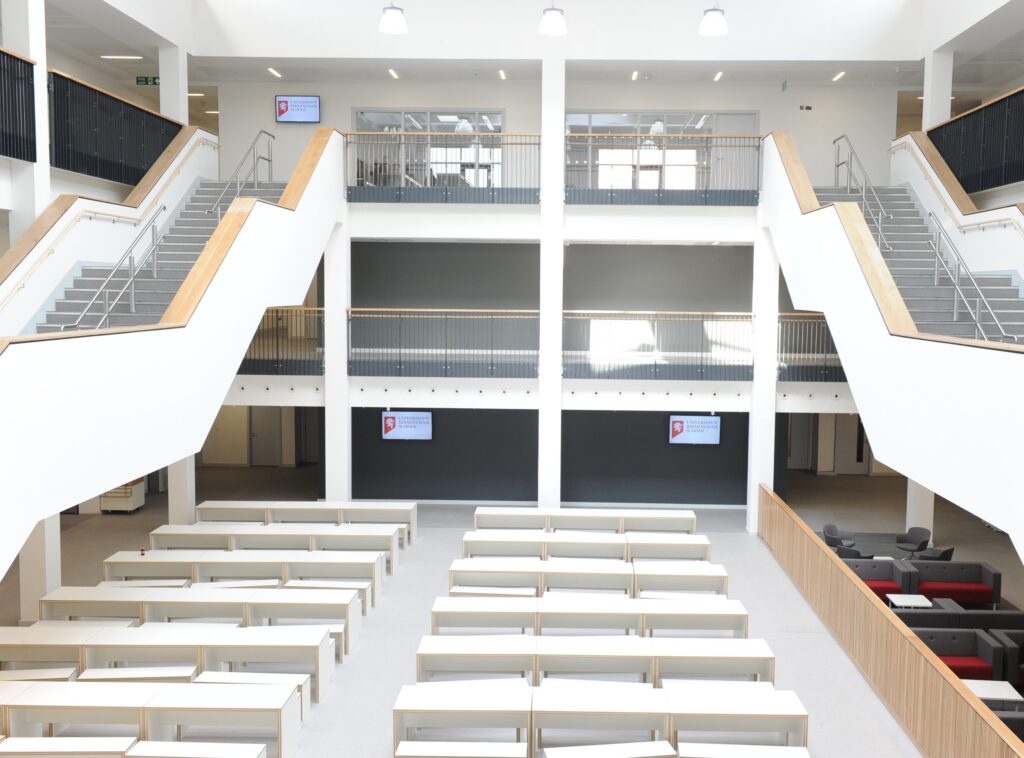
As a postgraduate researcher, explaining my work to Year 10 students forced me to strip away the jargon and focus on what my research is, why it matters, and what question I’m really trying to answer. It reminded me that being a researcher isn’t just about sitting behind a laptop – an integral part of it is communicating ideas clearly and helping other people make sense of them. Having to hold the room, answer unexpected questions, and support students one-to-one boosted my confidence, not just as a speaker but as someone who does research. It’s also made me much more comfortable talking about my work to anyone, not just to people in my field.
Towards the end of my talk, I left the students with a few reminders for their research enrichment project, they’re same things I still have to remind myself of as a postgraduate researcher:
- Be honest and original
- Check information carefully
- Research is about learning, not knowing
- Always ask questions
- Enjoy being curious
- Have fun being a researcher
The bottom line is that you don’t have to be genius to be a researcher – you just have to be curious and willing to learn.
Discover more from UoB PGR Development blog
Subscribe to get the latest posts sent to your email.