
I was thrilled to begin my postgraduate research journey at the University of Birmingham. But that quickly faded when I noticed how few people looked like me. I still remember walking into my first seminar; twenty people in the room, and I was the only Black person. I did not realise how unsettling that was, until, like everyone else, I was asked to introduce myself. My heart raced, my voice shook; not for lack of ability, but from the weight of speaking alone. Every word felt heavier, as if I was speaking not just for myself, but somehow for all the Black researchers I was yet to see. That day, my excitement wrestled with doubt, as I quietly asked myself, “Do you really belong here?”
So, this year’s Black History Month theme, “Standing Firm in Power and Pride”, resonates deeply with me. Since that first seminar, I have learned to stand firm in the power of my voice, even when shaky, and in the pride of my identity, especially in spaces that do not seem built for me. Although academia often prides itself on being neutral, many academic spaces were not historically designed with Black researchers in mind. That history lingers, along with the isolation experienced by the few Black people who find themselves in it. Yet, that very event sparked a determination in me to act, though I did not know how or when.
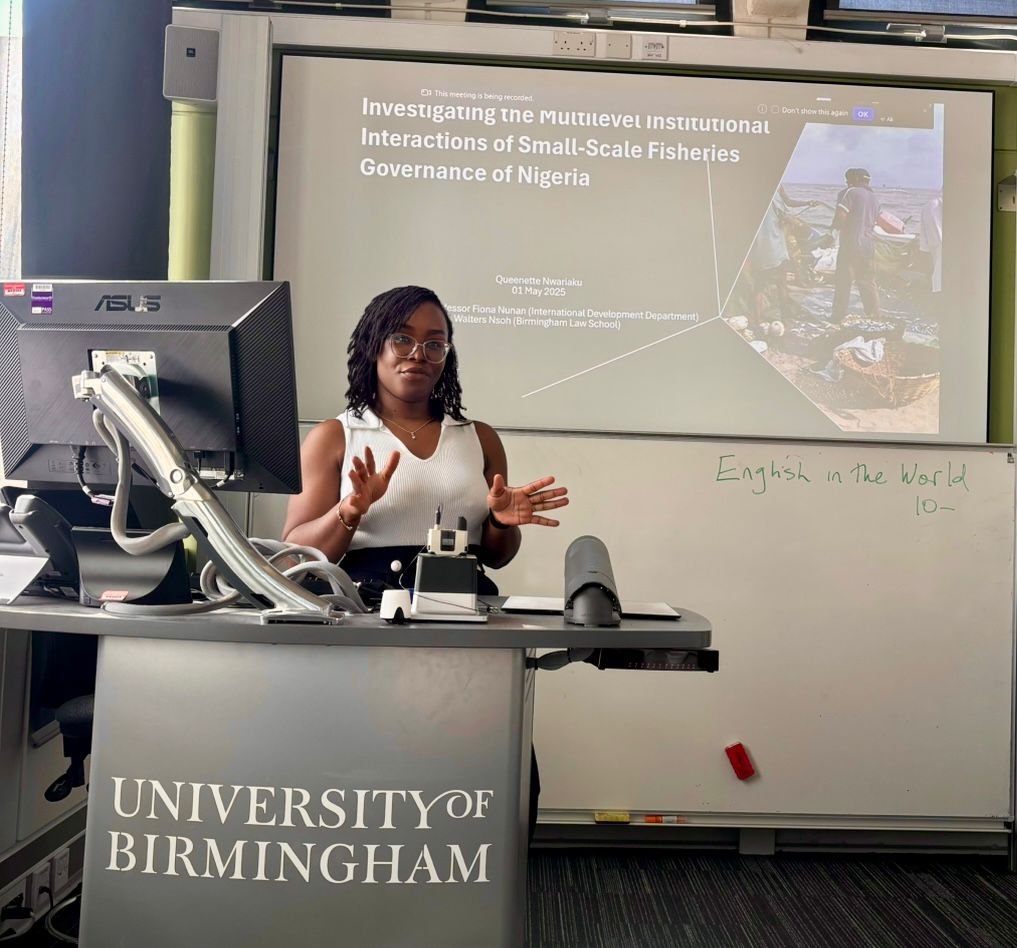
The opportunity came in October 2024, when I was invited to speak at a Black History Month event about reclaiming narratives as a Black postgraduate researcher in Birmingham. The number of people who reached out afterwards, saying they related to my story, sparked action. Together with peers, and with support from the University Doctoral School, we created the Black PGR Network; a space to support each other and be reminded that we are not alone. Through workshops, peer mentoring, and informal meetups, I saw firsthand, how collective spaces can transform isolation into empowerment. Building the Network was, for me, an act of standing firm: choosing to leverage the power of my voice and the pride of my identity to claim space, rather than shrinking.
Through this, I realise I stand on the shoulders of those who, like me, transformed struggle into opportunity. Figures like Lord Herman Ouseley, who reshaped Britain’s conversations about race and equality, and Olivette Otele, who fought to make space for Black voices and scholarship in institutions that were never designed with us in mind. Their persistence reminds me that the work we do today as Black researchers, like refusing isolation in research, is part of a continuum that honours past sacrifices while opening doors for better experiences for future generations. Standing firm in power and pride, then, is not just about holding ground as individuals. It is about recognising the struggles of those who came before us and acting in solidarity to create spaces where others can raise their voices too.
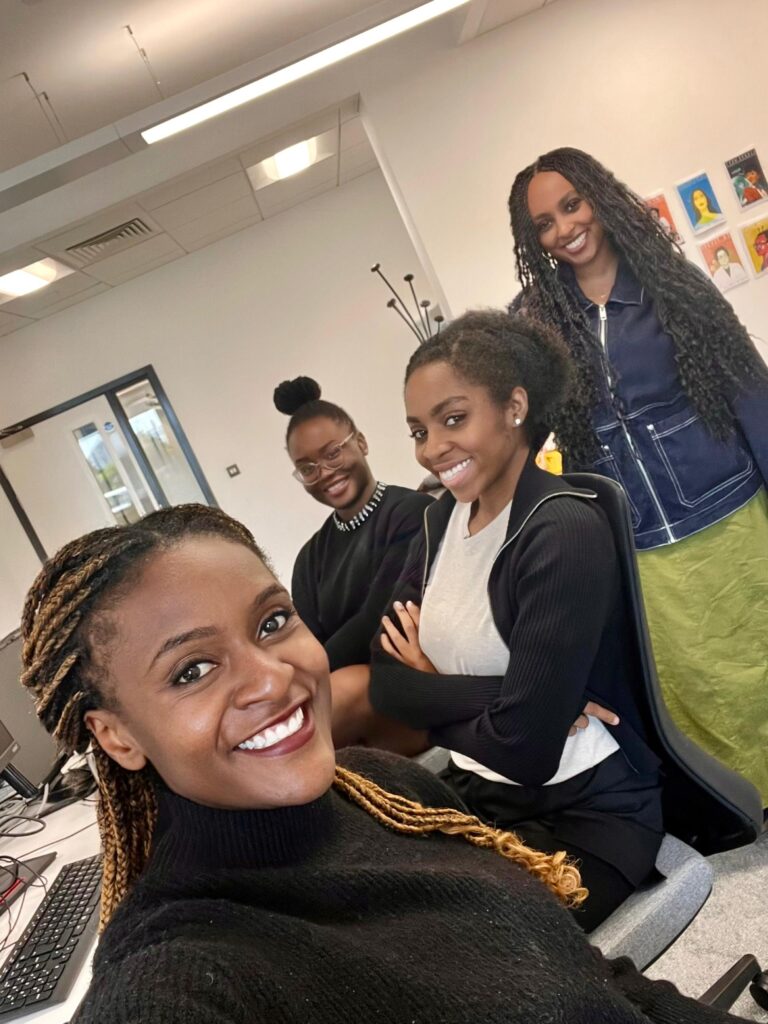
So, today, where my voice once shook under the weight of isolation, it now carries strength and clarity in the company of peers. And in that community, I know that pride may begin with identity, but its true strength is found in community; in recognising that our power is stronger, and our voices loud and firm, when together.
Discover more from UoB PGR Development blog
Subscribe to get the latest posts sent to your email.