
Formal definitions of research culture abound, and unfortunately they don’t always make it clear exactly what research culture means. The University Doctoral School uses the definition: “the values, behaviours, and environment that shape how research is conducted and supported”. The Royal Society says that research culture “encompasses the behaviours, values, expectations, attitudes and norms of our research communities”.
I think the reason that research culture can be so hard to define clearly is that it isn’t something that happens to us – it isn’t an externally defined entity to which we can subscribe. Of course, research culture is heavily influenced by a researcher’s local environment and organisational culture, but research culture is built primarily by research communities themselves. Every individual researcher, including PGRs, is building and influencing the research culture in which they operate, through the way they carry out their research and engage with their local, institutional, and disciplinary research community.
How can Vitae’s Researcher Development Framework 2025 help us understand the contribution and responsibilities of PGRs to their research culture?
The descriptor summary for 5.1 Research communities says that an effective researcher fosters inclusive, equitable, open, responsible and supportive research cultures, ensuring all contributions are valued and research excellence is enabled. Let’s have a look at Phase 1, which articulates what this means in practice for PGRs:
- Embraces and values diversity, integrating multiple perspectives into research or practice.
- Recognises the importance of belonging, respect, openness, and fair recognition.
- Listens actively, exchanges constructive feedback, and contributes to an ethical, supportive environment.
- Seeks guidance or support (e.g. HR, integrity leads, wellbeing services) to uphold positive practices.
So what can you do, as a UoB PGR, to foster a research culture that you are proud to be a part of and which enables research excellence? Here are some ideas, and do add your own suggestions in the comments below.
- Familiarise yourself with the organisational context for research culture from the University Doctoral School and the whole institution.
- Proactively seek out and incorporate diverse perspectives into your research and practice. Start, for example, by learning more about citation justice.
- Complete the equality, diversity and inclusion (EDI) training courses provided by the university. Look out for and participate in EDI initiatives such as the UoB LGBTQ Ally Scheme, or the Staff Networks.
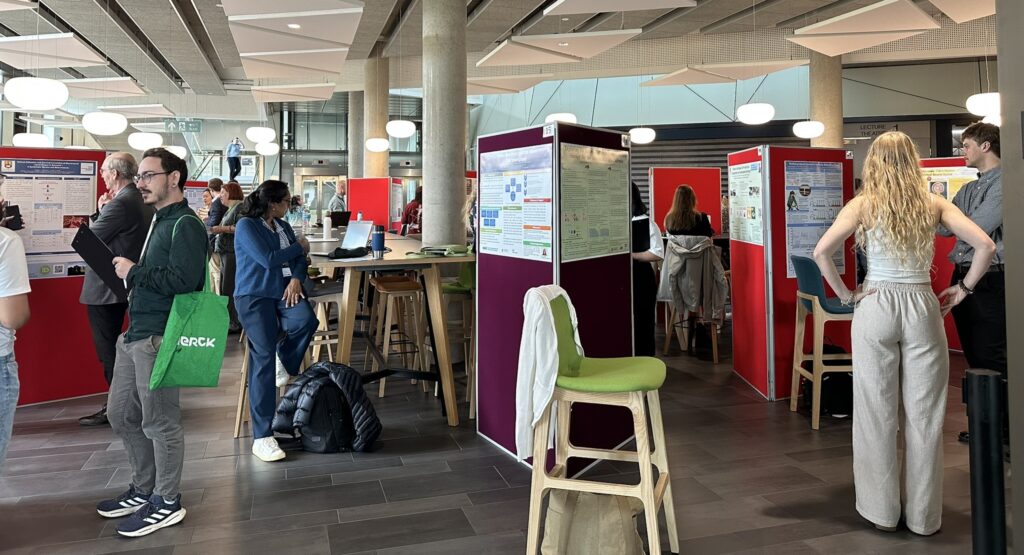
- Get involved in research and community activities in your Department, School, and College, such as research seminars, PGR conferences, and coffee mornings, to exchange constructive feedback and mutual support.
- Join the PhD Life Coach community to benefit from and contribute to a supportive research environment through online group coaching.
- Be aware of who you can talk to if you feel that positive practices (either research- or community-based) aren’t being upheld in your area. You might like to start with your mentor or your PGR Lead – contact your local PGR administrator to find out who these are.
Discover more from UoB PGR Development blog
Subscribe to get the latest posts sent to your email.